When seas rise, beaches disappear. And even setting climate change aside, scientists predict a twenty-five–thirty centimeters rise in ocean levels by the end of this century. And for each two and a half centimeters the ocean rises, a beach gets on average one meter narrower. You may add to that sinking coastal lands, increasing violent storms, and humans interfering with natural beach architecture by dredging channels and building seawalls and jetties, and you’ll have a recipe for disaster.
Here are ten notable beaches in need of saving:
The Hamptons, New York
Although the beaches in the Hamptons are only eroding half a foot (around fifteen centimeters) per year—less than most Atlantic beaches—with its multimillion dollar beachfront retreats the impact of coastal storms on Long Island’s south shore gets plenty of press. A key problem has been groynes (beach-stabilizing jetties) in Georgica Pond, which block sand migration to down-current beaches. Warning signs include dwindling dunes from Sagaponack to Westhampton and storm damage to houses now sitting only fifteen meters from the high tide line.
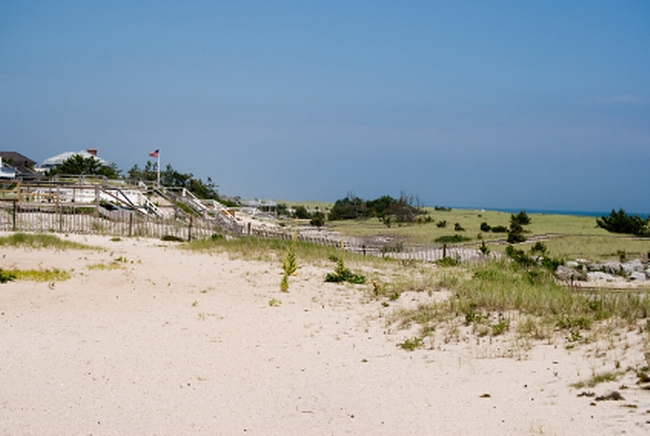
The Hamptons, New York
[picture source: newportjets.com]
Cape May Beach, New Jersey
Jetties built at the mouth of the Cape May
Channel have accelerated sand deposits at busy North Wildwood, making it New Jersey’s widest beach; but meanwhile south of the jetty, charming Cape May, America’s oldest seaside resort, has had to restock the sand on its quiet beaches—an expensive, and generally short-term, remedy.
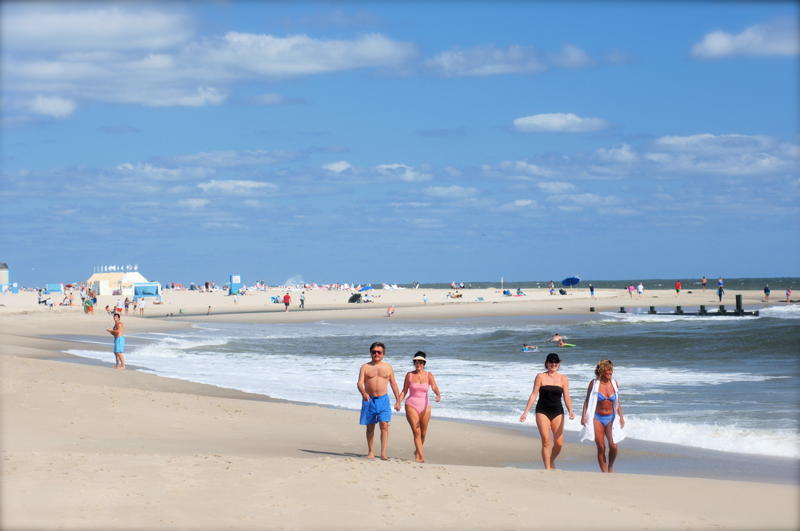
Cape May Beach, New Jersey
[picture source: philadelphia.cbslocal.com]
Miami Beach, Florida
Really a barrier island, Miami Beach has been pumping up its high-profile beach since 1976, spending millions of dollars to preserve the sixteen kilometers long strand lined with high-rise hotels. Tropical storms are a constant concern, but years of building seawalls and “borrowing” sand from the sea floor have accelerated beach erosion.
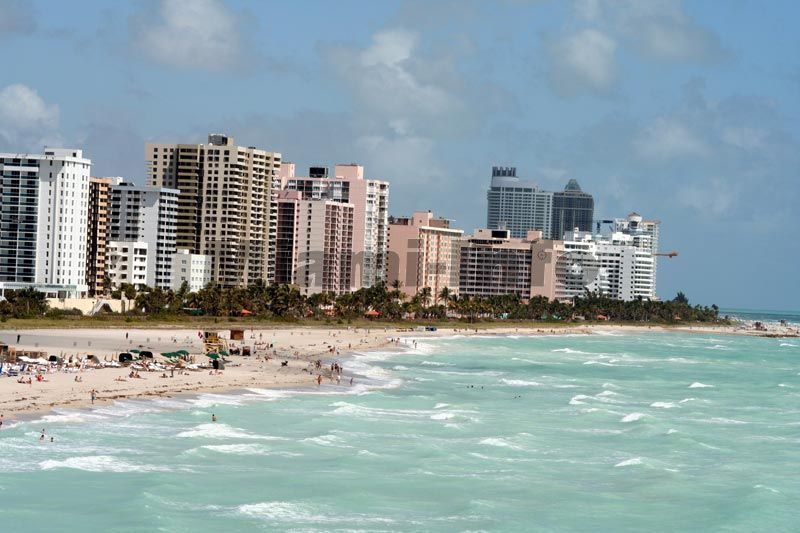
Miami Beach, Florida
[picture source: www.travelblat.com]
Galveston, Texas
On the hurricane-prone Gulf Coast, Galveston has monitored beach width ever since a disastrous 1900 storm drowned more than 6,000 people. A historic sixteen kilometers seawall protects the resort town’s Victorian architecture, but the soft tan sand of its public beaches—a major weekend getaway for Houstonians—has suffered serious erosion, as has two-thirds of Texas’s five hundred sixty-three kilometers coastline.
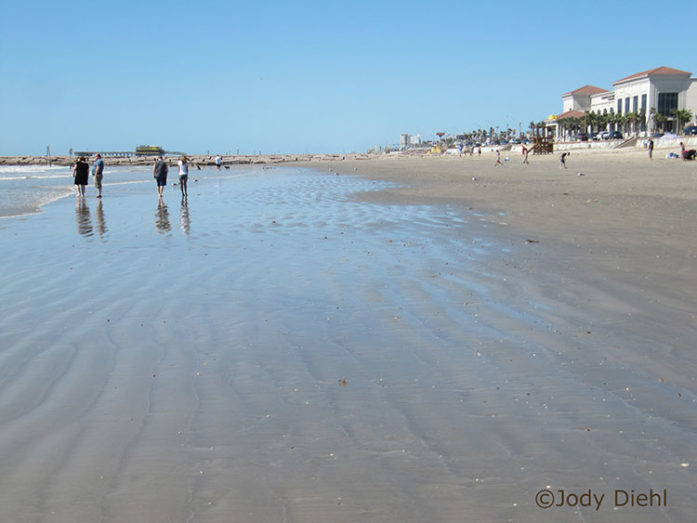
Galveston, Texas
[picture source: beachtreasuresandtreasurebeaches.com]
Santa Barbara, California
The “American Riviera,” Santa Barbara is known for its Spanish-Mediterranean architecture and well-groomed, palm-lined, white beaches. But battered by periodic El Niño events, armored with seawalls that only intensify wave action, and robbed of replenishing sediments by several upriver dams, Santa Barbara’s beaches are in trouble. Goleta Beach Park has been severely reduced, and in a domino effect, Arroyo Burro Beach is following suit.
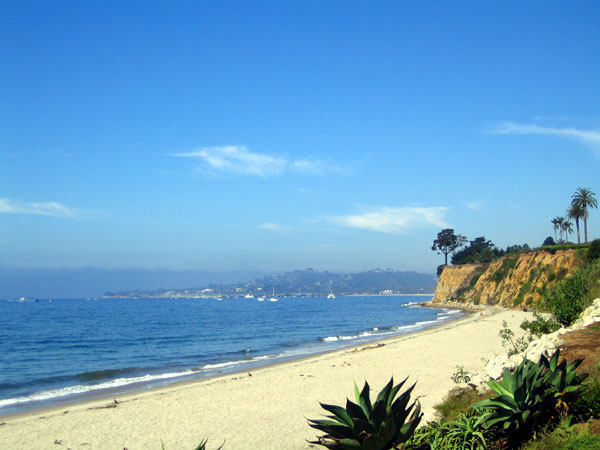
Santa Barbara, California
[picture source: marshakotlyar.com]
Playa del Carmen, Mexico
Protected by offshore coral reefs, the northern stretch of the Yucatan’s Caribbean coast naturally develops lovely beaches wherever there are gaps in the reefs. But because a unique confluence of changing winds and strong offshore currents make this coast’s beaches dwindle or grow almost on a day-to-day basis, the inviting beach pictured in resort brochures may not be there when you arrive. If the one by your hotel has turned narrow and rocky, you may need to head north, to less developed beaches with more sand—and more entangling sea grass.
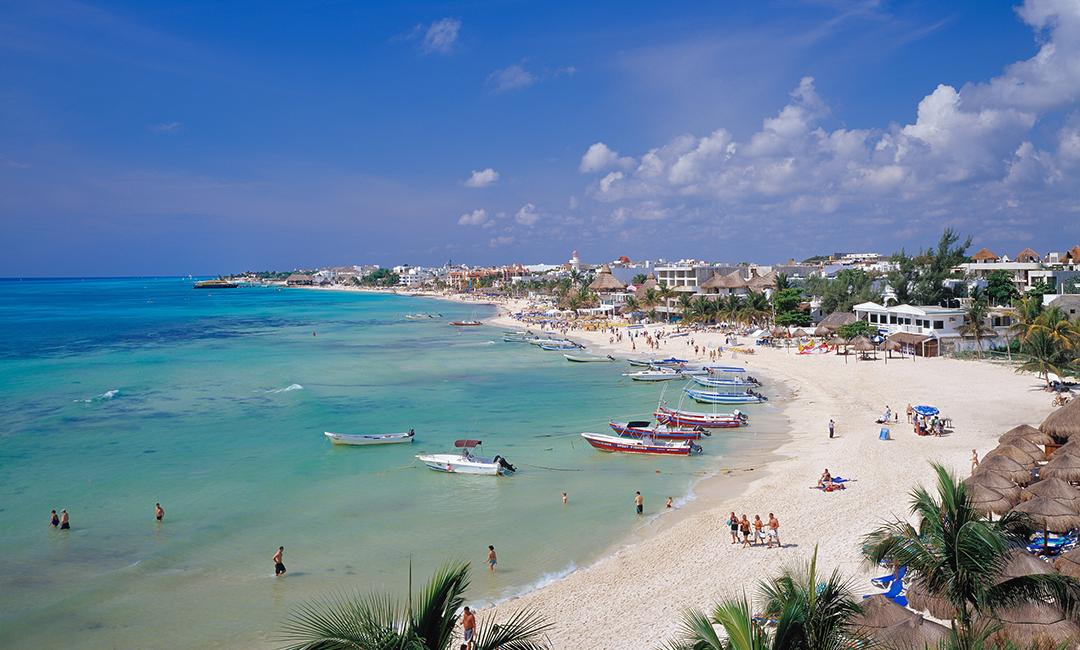
Playa del Carmen, Mexico
[picture source: www.tripadvisor.com]
Negril, Jamaica
Starting in the 1970s, a wave of resort building along Negril’s popular Seven-Mile Beach capitalized on its glorious sand. But degraded offshore coral reefs and the dredging of sea grass beds left the existing sand vulnerable to wave erosion. Tropical storms periodically pummel this flat, low-lying area, and every year, natural processes have a harder time replenishing the slowly-but-steadily eroding beach.
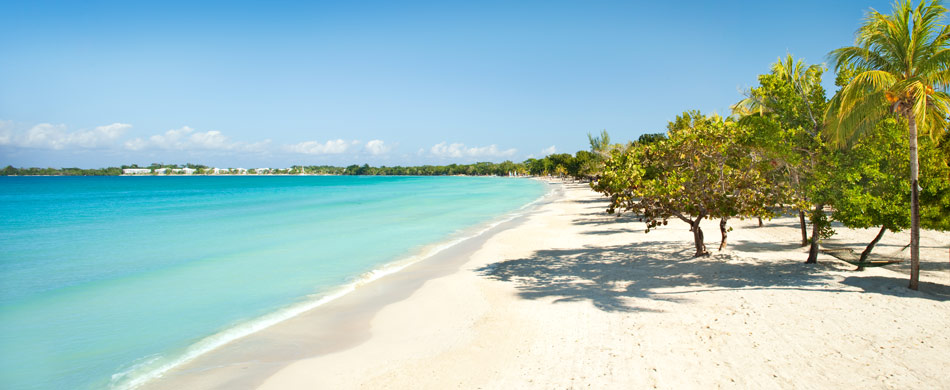
Negril, Jamaica
[picture source: vacationidea.com]
The Holderness Coast, Northeast England
The fastest-eroding coastline in Europe is this sixty-two kilometers stretch north of the Humber Estuary, where soft clay cliffs are battered by powerful North Sea waves. Beaches at the foot of those low crumbling cliffs lose nearly two meters per year. Groynes and other man made revetments protect the holiday sands at resort towns like Hornsea and Mappleton, but steal sand from other areas.
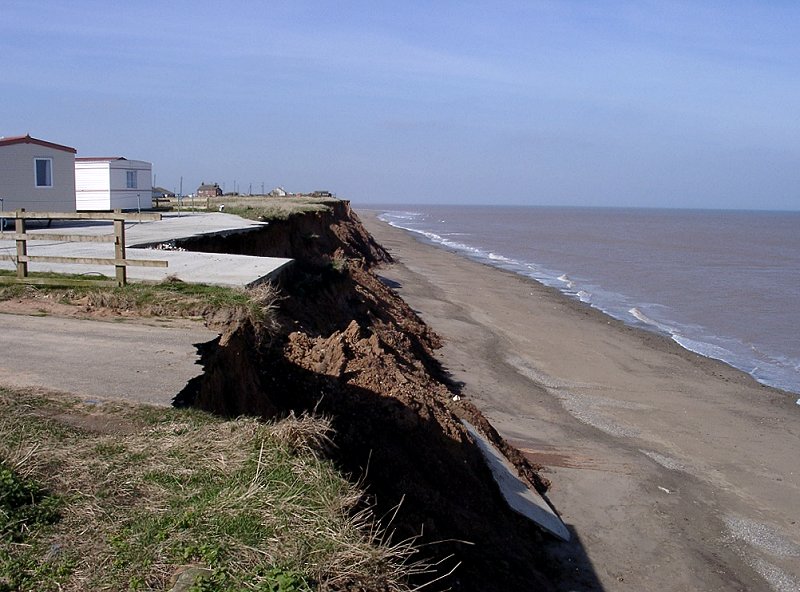
The Holderness Coast, England
[picture source: www.stacey.peak-media.co.uk]
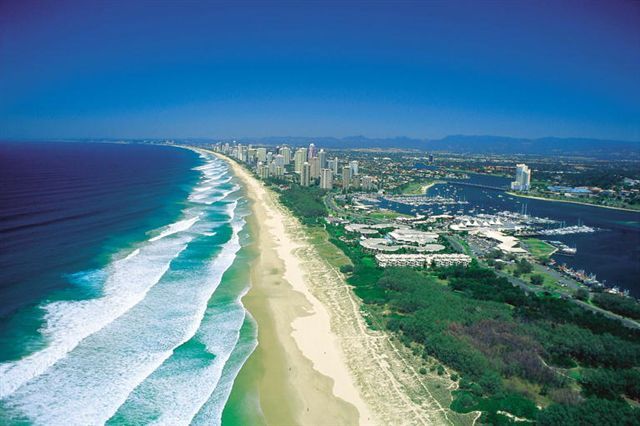
Gold Coast, Australia
Ever since 1967, Australia’s heavily developed Gold Coast—an artificially maintained sixty-nine kilometers barrier strip south of Brisbane—has
battled beach erosion. An oceanfront boulder wall protects shoreline buildings, but prevents production of new sand; after storms, inland waterways are dredged for sand to be pumped back onto the beaches. However, a new technique was pioneered in 1999: An artificial reef was built to stabilize the beach at Narrowneck, which happily also created a new surfing spot—always a plus here in this surfing mecca.
Gold Coast, Australia
[picture source: rap.genius.com]
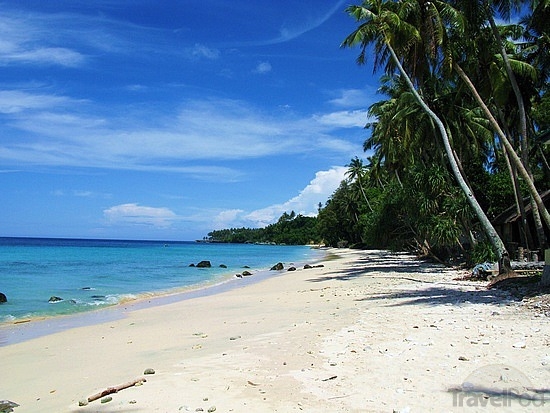
Banda Aceh, Indonesia
This city on the north tip of Sumatra was the worst-hit spot in the December 2004 tsunami. With beaches submerged, coastal villages flooded, and mud deposited everywhere, the disaster required massive rebuilding. But while buildings and roads were reconstructed on the same vulnerable coastal areas—often on raised roadbeds or stilts–damaged offshore reef and shoreline mangroves, which provide protection from further storms, still need to be restored.
Banda Aceh, Indonesia
[picture source: www.tripadvisor.com]
In the end, I wish you a lot of luck at spending your most wonderful times on at least one of those beaches. I have been inspired in this post by an old travel guide.
If you liked what you read (and for that I humbly thank you for your patience), subscribe to this blog by Email! Follow this blog on Twitter, and on Facebook! For a joyous day, check out my pins on Pinterest or my grams on Instagram 😄. I hope you like this blog so much that you think it’s time to take a step further by becoming yourself a blogger; in order to do that have the kindness to read the Own Your Website offer I have prepared for you! You won’t regret. Thanks for passing by 😄 Speak your mind, don’t be shy!
Copyright © 2014 Rodolfo Grimaldi Blog – 10 Disappearing Beaches

